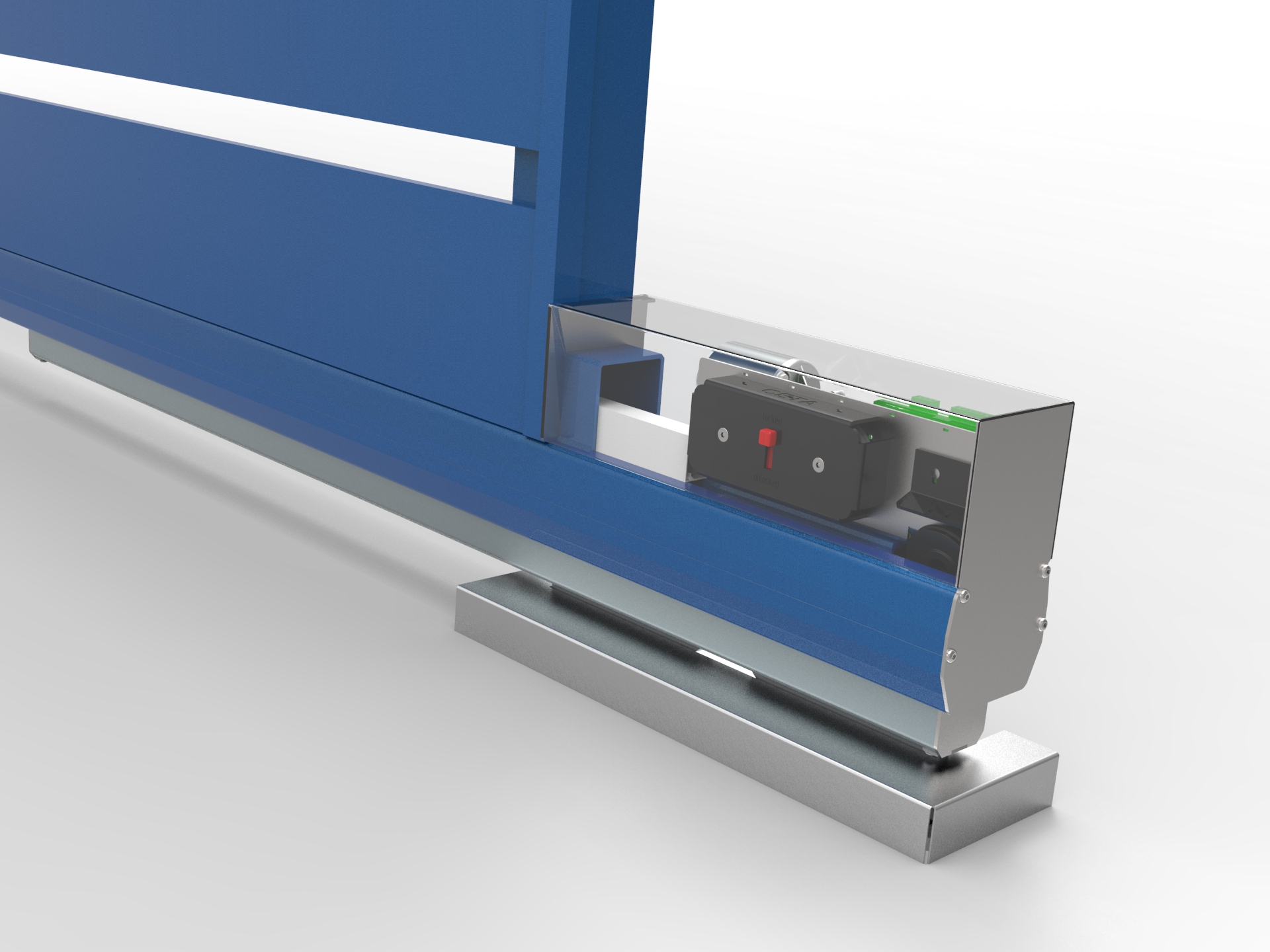
In today's world, technology is transforming nearly every part of our daily lives, from smart homes to energy-efficient transportation. One innovation gaining attention in residential, commercial, and industrial sectors is the solar gate system. Solar-powered gates combine automation, security, and renewable energy to create a smarter and more sustainable way of controlling access to properties.
As energy costs continue to rise and environmental concerns become increasingly important, many homeowners and businesses are turning toward solutions that reduce electricity consumption while improving convenience. Solar gates are becoming one of the most practical answers to this challenge.
What Is a Solar Gate?
A solar gate is an automated gate system powered primarily by solar energy. Instead of relying entirely on electricity from the power grid, these systems use solar panels to collect sunlight and convert it into electrical energy. The generated energy is stored in batteries and used to operate the gate motor and associated control systems.
Solar gates can be installed in many forms, including:
- Sliding gates
- Swing gates
- Residential driveway gates
- Farm entrance gates
- Industrial security gates
- Commercial access systems
These gates often include additional smart features such as remote control access, mobile applications, keypad entry systems, motion sensors, and security cameras.
How Does a Solar Gate Work?
The operating process of a solar gate is relatively simple but highly effective.
Solar panels absorb sunlight during the day and convert solar radiation into electrical power. This energy is then transferred to rechargeable batteries. The batteries store sufficient energy to operate the gate even during nighttime or cloudy weather conditions.
When a user activates the gate through a remote control, smartphone application, keypad, or sensor, the gate motor receives power from the battery and opens or closes accordingly.
The main components of a solar gate system typically include:
- Solar panels
- Battery storage units
- Gate motor
- Charge controller
- Sensors and safety devices
- Access control systems
Together, these components create a complete self-sustaining entry solution.
Benefits of Solar Gate Systems
Reduced Electricity Costs
One of the biggest reasons people choose solar gate systems is cost savings. Traditional automated gates consume electricity from the grid. Over time, energy expenses can accumulate, particularly for gates with frequent usage.
Solar systems reduce dependence on traditional electricity sources by using free energy from the sun.
Environmentally Friendly Technology
Renewable energy is becoming increasingly important worldwide. Solar gates help reduce carbon emissions and support environmentally responsible practices.
By switching to solar-powered systems, property owners contribute to:
- Reduced fossil fuel consumption
- Lower greenhouse gas emissions
- Cleaner energy usage
- Long-term sustainability
Continued Operation During Power Outages
Power failures can create serious security concerns. Conventional electric gates may stop functioning entirely during outages.
Solar gates offer an important advantage because battery systems can continue supplying power even when the electrical grid fails. This ensures uninterrupted operation and security.
Easy Installation in Remote Areas
Many farms, construction sites, and rural properties are located far from electrical infrastructure. Extending electrical lines can be expensive and time-consuming.
Solar gate systems eliminate much of this challenge because they can operate independently without requiring extensive electrical wiring.
Increased Property Value
Modern buyers increasingly appreciate smart and sustainable technologies. Installing solar-powered gates can improve both functionality and overall property appeal.
A well-designed automated gate system may increase:
- Security perception
- Property attractiveness
- Technological appeal
- Long-term value
Applications of Solar Gates
Solar gates are used across many industries and environments.
Residential Homes
Homeowners use solar gates for improved security and convenience. Family members can enter using remote controls or smartphone applications while unauthorized access remains restricted.
Agricultural Properties
Farm owners frequently install solar gates because agricultural lands often cover large remote areas where electricity access may be limited.
Commercial Buildings
Businesses use automated gates to regulate employee access, parking facilities, and delivery vehicles.
Industrial Sites
Factories and warehouses require high-level security. Solar gate systems can integrate with surveillance cameras and identification systems.
Community Entrances
Housing societies and gated communities increasingly use solar-powered entry systems for improved safety and lower operational costs.
Smart Features in Modern Solar Gates
Modern solar gates are no longer simple automated barriers. Today's systems may include advanced technologies such as:
Smartphone integration allows users to control gates remotely from anywhere.
Motion detection systems can automatically identify approaching vehicles.
Security cameras provide real-time monitoring and recording.
Biometric systems use fingerprints or facial recognition for access control.
Artificial intelligence features may analyze movement patterns and strengthen security protocols.
These technologies create a seamless and intelligent experience.
Challenges and Limitations
Although solar gates provide many advantages, there are some challenges to consider.
Weather Dependence
Solar energy production depends on sunlight availability. Regions with extended cloudy periods may require larger battery systems or backup power sources.
Initial Investment
The installation cost of solar panels, batteries, and automation equipment can sometimes be higher than standard gate systems.
However, long-term energy savings often offset the initial investment.
Maintenance Requirements
Solar panels need periodic cleaning to maintain efficiency. Batteries also require inspection and eventual replacement.
Regular maintenance helps ensure optimal performance.
Future Trends in Solar Gate Technology
The future of solar gate technology appears promising. Rapid advancements in renewable energy and smart automation continue improving system performance.
Future developments may include:
- AI-based security monitoring
- Better battery storage technology
- Faster solar charging efficiency
- Fully integrated smart-home connectivity
- Predictive maintenance systems
As technology evolves, solar gate systems may become more affordable and widely adopted.
Conclusion
Solar gates represent more than just an automated entrance system. They symbolize the growing movement toward sustainable, intelligent, and energy-efficient living. By combining renewable energy with modern security technology, solar gates provide convenience, lower operational costs, and enhanced safety.
Whether for homes, farms, businesses, or industrial facilities, solar gate systems are increasingly becoming a practical investment for the future. As energy awareness continues to rise around the world, solar-powered access solutions may soon become a standard feature rather than a luxury.
The transition toward cleaner and smarter technology has already begun, and solar gates are opening the door to that future—quite literally.